thinking...
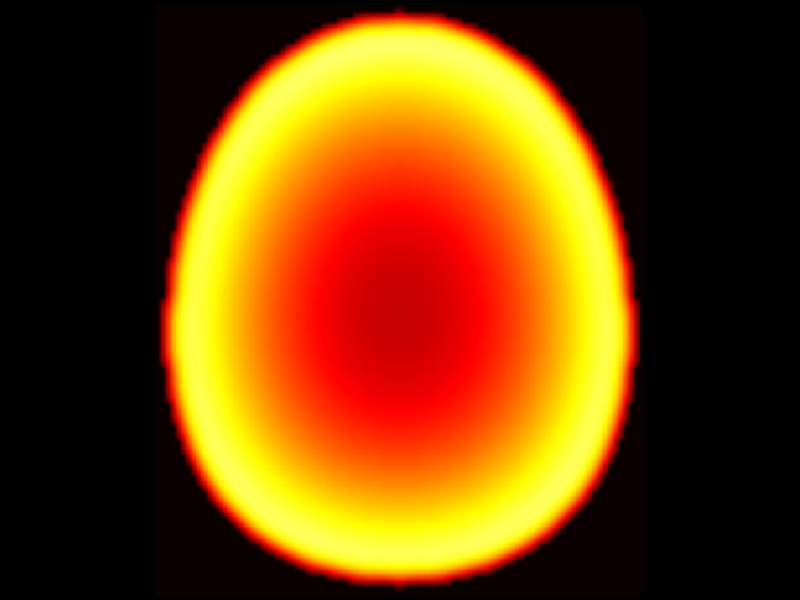
Thermal modeling to find the perfect Ramen egg
Building a Lego database based on Rebrickable...
Exploring Lego bricks since 1949...
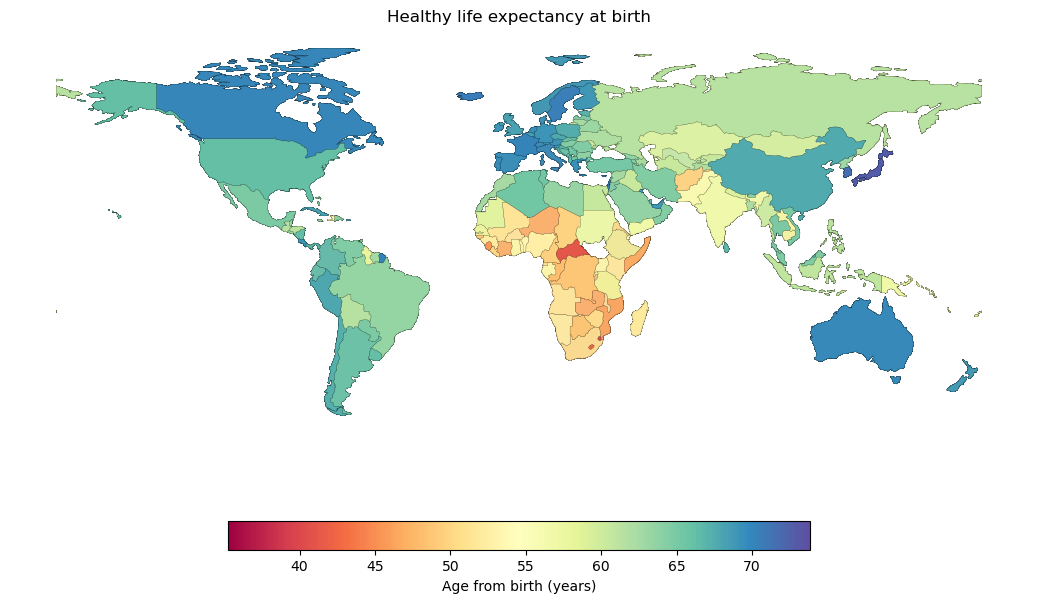
Demonstrating access and plotting of the WHO's GHO database


Model of a multiple pendulum system
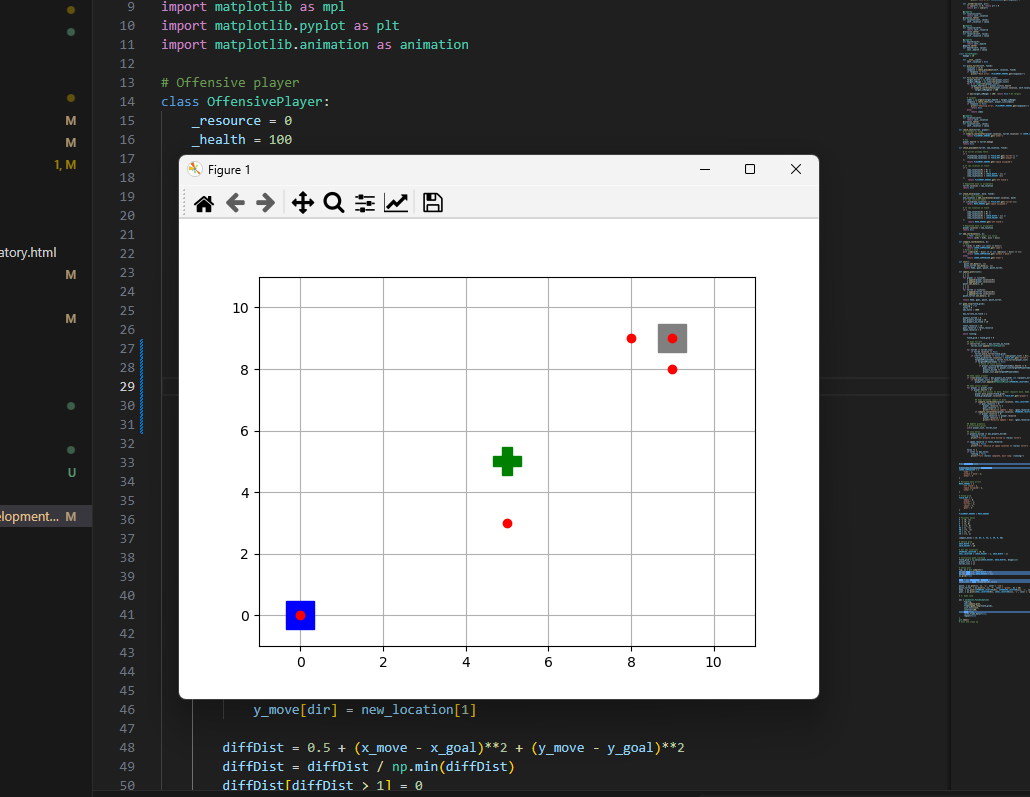
Turret defense game pitting different machine learning against each other
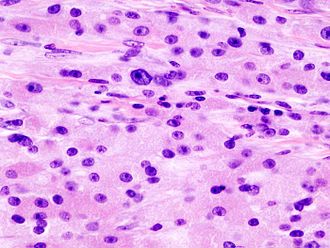
Image analysis and mass transport modeling

Machine learning exploration of the springboks

Control system for double pendulum

An engineer and scientist focused on leading the development of solutions to deliver innovative and differentiating award-winning products. Striving to solve technical challenges by applying multidisciplinary knowledge to facilitate, lead teams and mentor individuals in their areas of expertise. Passionate about communication, distilling complex ideas into simple messages. Data driven, basing decisions and strategies on a foundation of sound information.


As an engineer and scientist the acquisition, interrogation and communication of data has been an essential part of my successful career. I have primarily worked in and consulted for companies in the pharmaceutical and medical device sectors solving technical challenges.
Examples of my work include:
Leading multiple product verification studies and being responsible for the application of statistical techniques to meet industrial standards.
Within the field of IVD’s, I have guided studies meeting compliance to the CLSI standards resulting in successful FDA submissions.
I have also supported clients in the successful verification of devices like in-halers and otoscopes.
Tools used: R, MatLAB, Octave, VBA (Excel)
Integrating experimental data and math models to predict future results and optimise performance has been an essential part of understanding the mechanics of devices during their development. For example:
Tools used: Python, R, Stan
Developing and validating physical models and rigs has always been an active part of my product development. For example I've simulated the chemical degradation and mass transport in a drug product's primary packaging to support and guide design decisions enhancing shelflife. Investigations highlighted the primary parameters that needed to be controlled as part of the design and influenced plausible concept solutions.
Other models created as part of design concept, feasibility and optimisation include:
Tools used: R, Python, Solidworks FEA, Zemax, FEMM
I’ve led and managed multiple projects through all phases of development from concept through to launch resulting in successful products. Many of these products have been for the pharmaceutical and medical device industries with a strong focus on injection moulding and sheet metal manufacturing with integrated electronics and software. Example product areas include: IVDs, drug delivery, optical instruments and bio-processing equipment.
While developing various products I've successfully created test systems and rigs to verify and investigate a product’s performance. These test systems focused on generating quantitative data for example:
Tools used: Python, Solidworks, OnShape, Creo, Java, C++
I have line-managed and been responsible for an engineering department (health & safety, budgeting, forecasting, recruitment) while also leading the technical development. I’ve successfully moulded engineers and scientists into high performing teams with a focus on trust, independence, accountability and supporting each other. I’m also experienced in project management having led, implemented and worked within various implementations of the agile principles and phase-gate development processes while taking products from concept through to market.
Tools used: Agile Principles, Phase-gate (Prince 2), daily management (leading stand-up’s, kanban, jira, GitHUB, Miro)
Qualified as an engineer (1st class, University of Glasgow, UK) with a PhD in sensor technology (Cranfield University, UK).
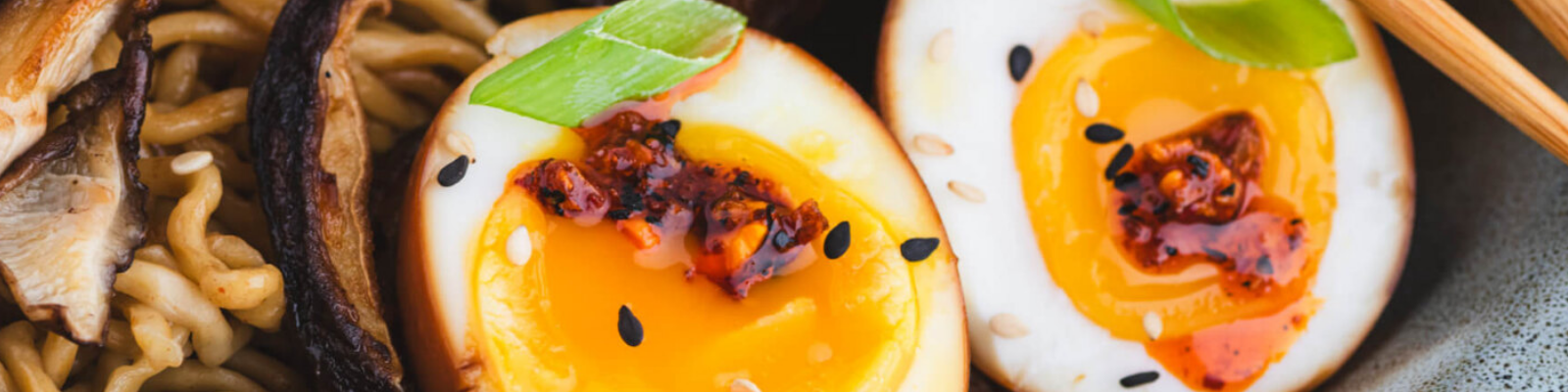

This investigation uses thermal modelling to simulate the Ajitsuke Tamago cooking procedure as the egg changes its stages as it solidifies.
Ajitsuke Tamago, aka Ramen eggs, are one of my favorite additions to a hearty ramen bowl. The general recipe for Ajitsuke Tamago requires adding an egg to boiling water for 7 minutes and then submerging it in ice cooled water to prevent further cooking.
For this investigation a thermal model of the egg was created using finite-differences in python and Jupyter. The model allowed custom meshes which defined the egg geometry and varying diffusion coefficients and also dynamically changed the boundary conditions based on defined criteria.
The results showed an alignment between the generally cooking method and the hardness of the composite egg parts (white and yolk) based on the temperatures reached.
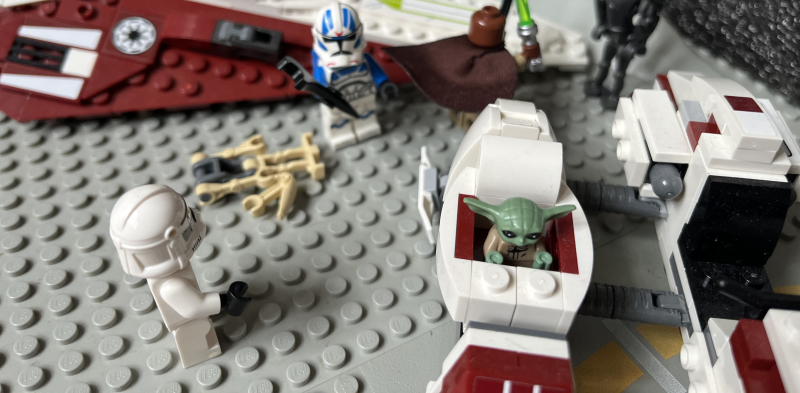
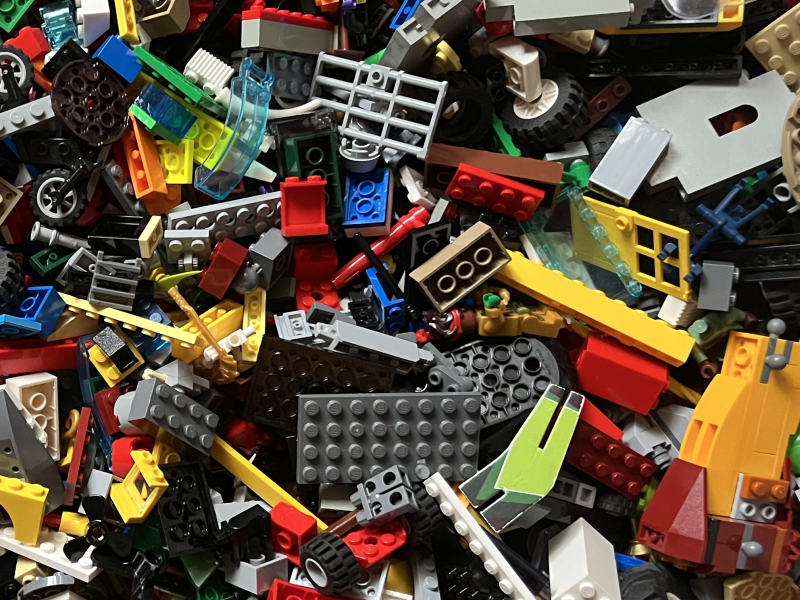
Lego is awesome! So when I discovered there was a data available to construct a database based on all the sets made since 1949, I could not resist having a look. So, the first step to exploring this data was to build a local database that I could query.
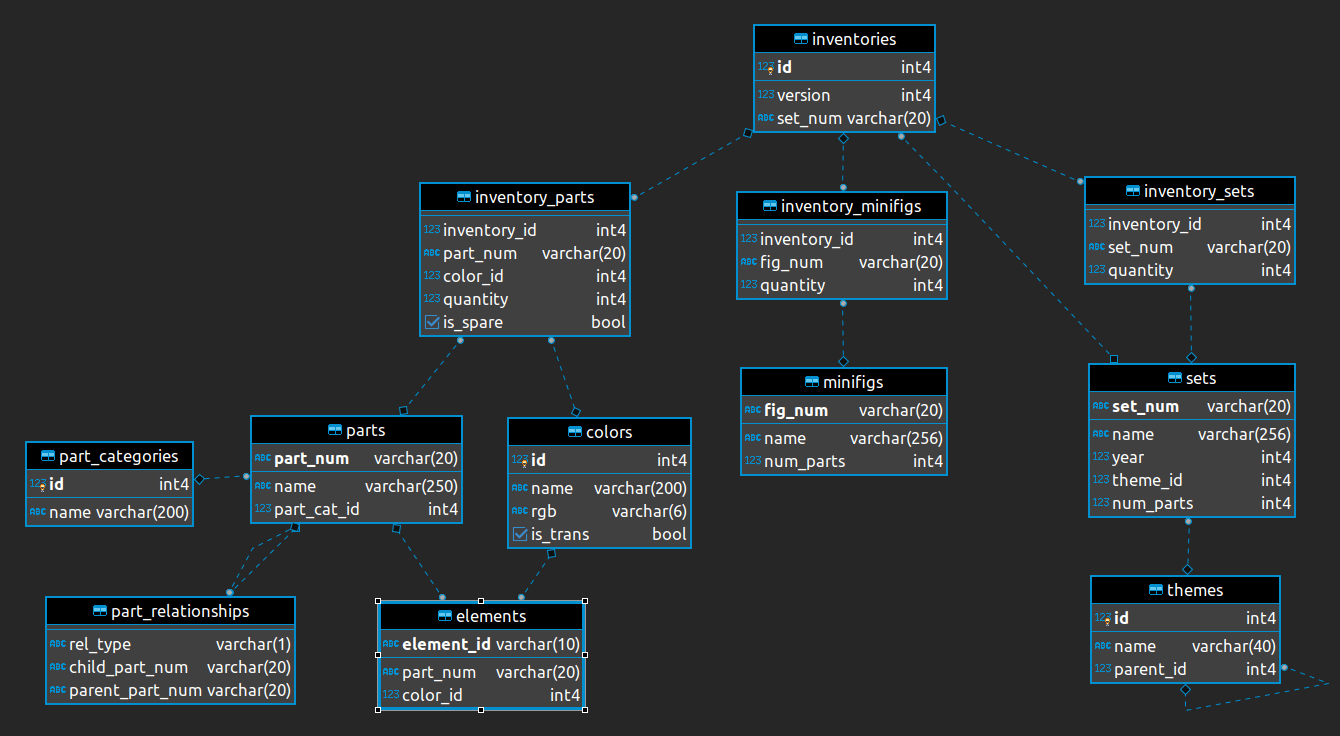
Construction of the database was done in 5 stages:
Fundamentally I did this because I like Lego! But it also provided me with a local DB to explore, test out my analytical skills and indulge my curiosity. It was a great reminded that cleaning up the data is nearly always required and a significant chunk of any analytical analysis. For example, I assumed (hoped) the data would be in good shape coming from a working system and in the most part it was. However, the data did not match the schema (v3) any MySQL does not like empty cells nor carriage returns which had to be addressed.
Review the notes and access the scripts used on Github.
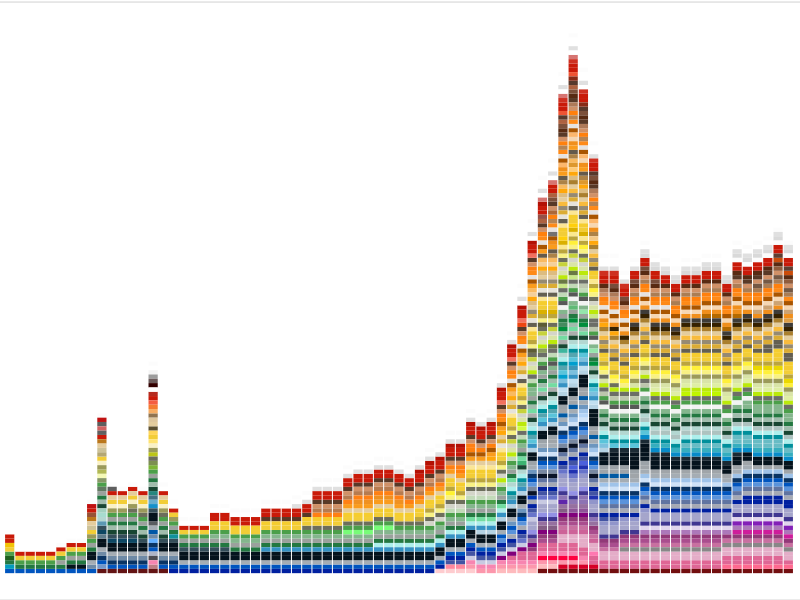
This investigation looks into a Lego brick database to explore how lego bricks have changes since it conception in 1949.
Lego is an award winning product and has been popular for decades. Out of intrigue I create a MySQL database from rebrickable datasets. This investigation is my exploration into this database.
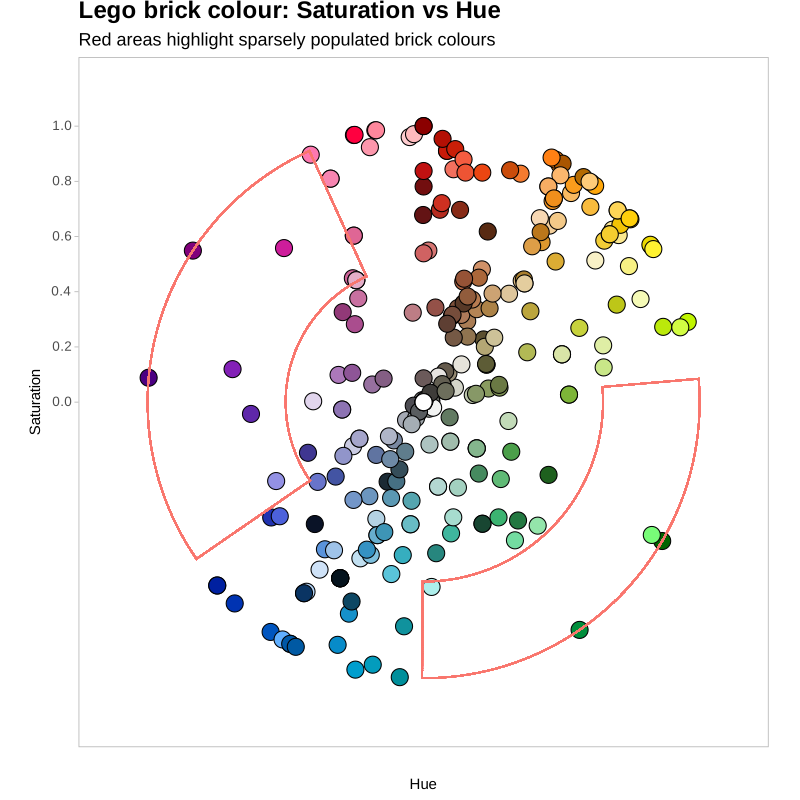
This investigation primarily uses R and SQL to look at the 273 different colours of bricks, trends identified in the early 2000's when the company announced it's 1.9 billion kr deficit and other observations including Fabuland Lime toilets.
Highly toxic drugs are often used to combat tumours, however the high potency can be detrimental to healthy tissue. Understanding how the drug compounds diffuse through the tumour can help to reduce the chances of damaging healthy tissue.
This investigation looks at the image analysis of tumors to identify their constituent parts. Then the transport of drug product can be simulated assuming a known point of injection.
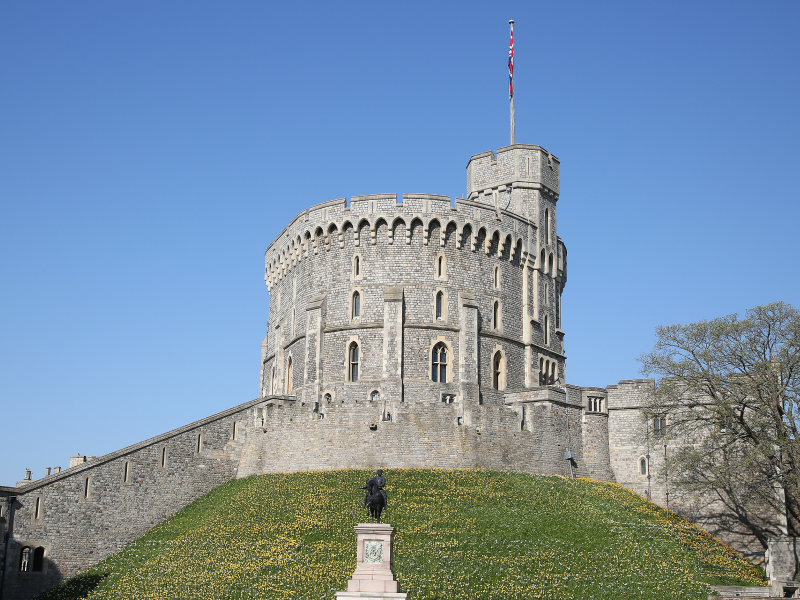
The springboks have dominated international rugby since the 2019 world cup. This is exploration to look for any insights or correlations that may indicate why this is.
This investigation consists of:
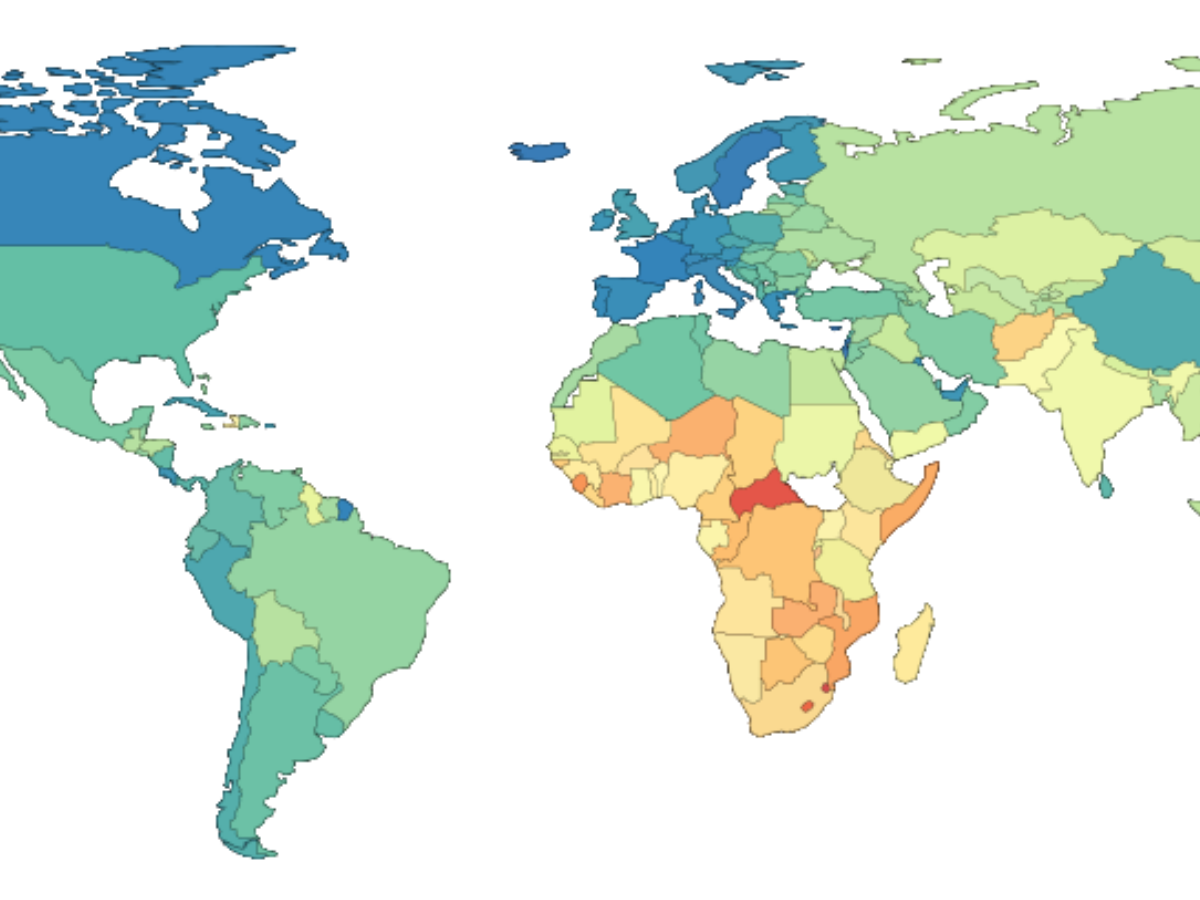
This is a exploration into using the World Health Organisation (WHO) OAPI to access their Global Health Observatory (GHO) database.
The Global Health Observatory is the World Health Organisation's gateway to share data on global health. It is structured into categories of indicators (3043 at time of writing) that describe health statistics. They generally all have dimensions of time and country, some have additional dimensions for example 'Age Group', 'Sex' and 'Severity'.
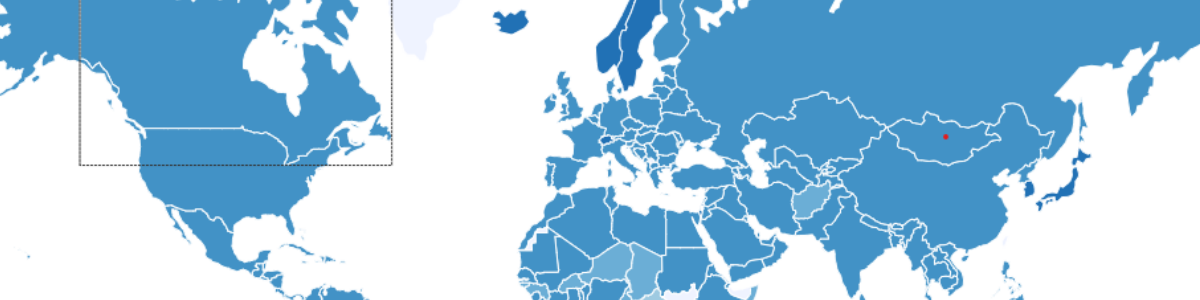
This exploration primarily uses python to explore the GHO databases with GeoPandas for generating geospatial charts. Example interactive charts were made using D3 to demonstrate how the WHO data could be visualized.
Use an interactive chart, read a Report . Or review the code in full at Github.
This simulation focuses on modelling pendulum systems with the future intention of implementing a control feedback system. Consequently, a function was written where time-dependent ODE systems can be solved in a step-wise manner.
I've been fascinated with control systems since seeing an inverted pendulum on a cart during a university open day. Although I studied control feedback systems I've never modelled this classic example, so this is the start of my inverted pendulum on a cart simulation.
Modelling pendulum systems stared by writing a time-dependent ODE function in python and Jupyter that can be solved in a step-wise manner. This was based on a solution by Sergey Royz that was modified for future implementation in control feedback systems. A 4th order Runge-Kutta methods was demonstrated using an ideal system.
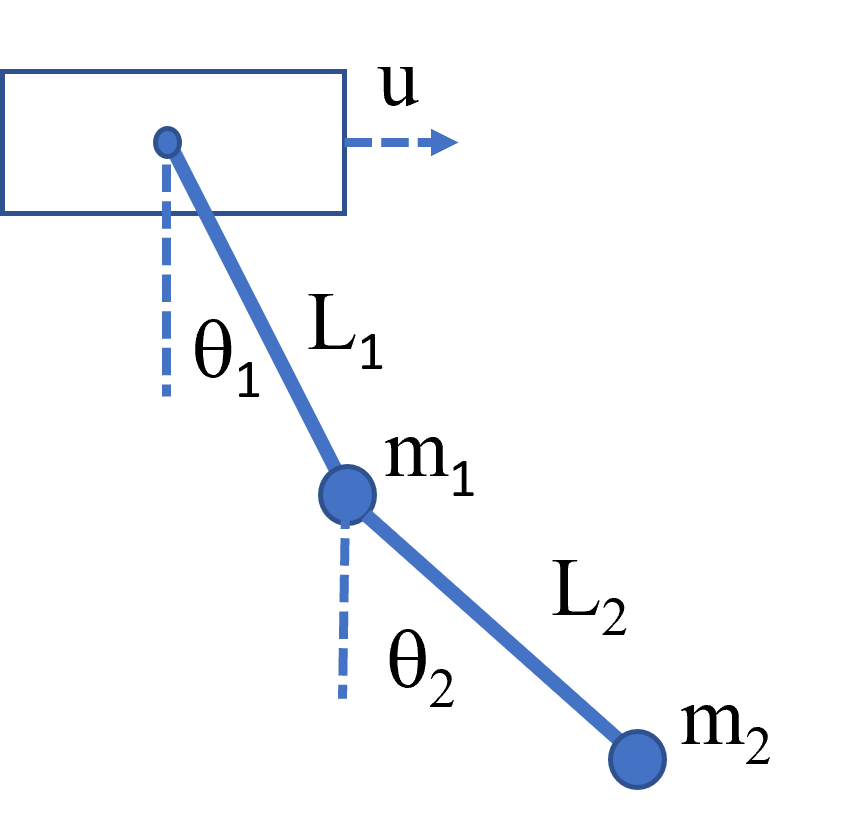
This is looking at control feedback systems for inverted pendulums. In particular chaotic double pendulums.
I've been fascinated with control systems having seen a physical implementation of an inverted pendulum at university. This is my development of a control system for a single and double inverted pendulum using the pendulum simulator that I previously created.
Different machine learning algorithms are selected and then trained for the offensive and defensive sides of a tower defense game.
This is a simulation of a classic tower defense game where an offensive side has to travel from a starting location to the oppositions base, take resource, and then return the resource to the start location. Once all resource is acquired, the game is won for the offensive side. However, the defensive side can build turrets to defend their base giving them the option to win by rendering all the offensive side out-of-the game.